How Cannabis Vape Technology Has Evolved in Recent Years
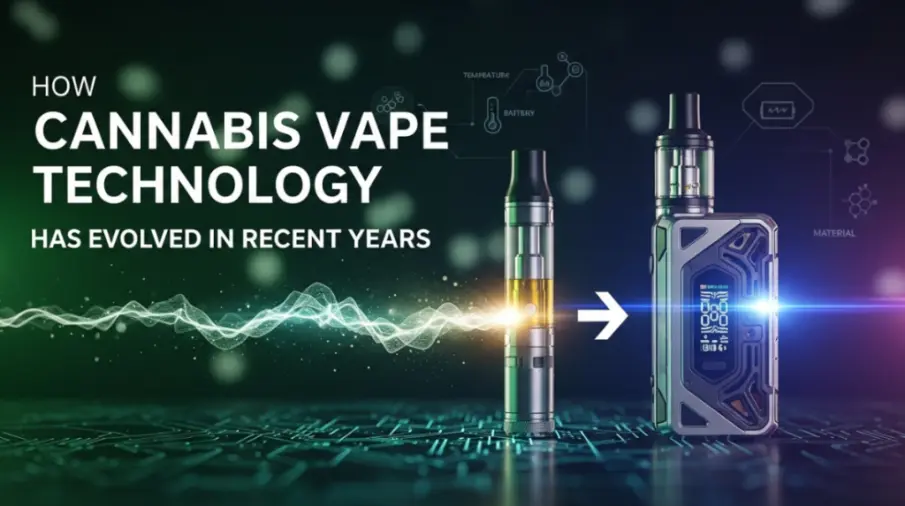
Cannabis vaporization has transformed dramatically over the past several years, moving from crude pen-style devices that often leaked and burned coils to sophisticated systems delivering consistent, flavorful experiences. The evolution reflects both technological advancement and growing consumer demand for quality, convenience, and safety.
Understanding these improvements helps consumers make informed choices about vaporizer products and appreciate why modern devices perform so much better than their predecessors.
Temperature Control Advancements
Early cannabis vape pens operated at fixed, often excessive temperatures that burned cannabinoids and terpenes rather than vaporizing them efficiently. Users had no control over heat levels, leading to harsh hits and wasted product.
Modern vaporizers feature precise temperature regulation, allowing users to dial in their preferred heat range. This matters because different cannabinoids and terpenes vaporize at different temperatures. Lower settings preserve delicate terpene profiles for maximum flavor, while higher temperatures produce denser vapor with more pronounced effects.
Many contemporary devices offer preset temperature profiles optimized for different concentrate types or desired experiences. Some advanced models even allow degree-by-degree adjustment, giving users complete control over their sessions.
This precision prevents the combustion that occurs when temperatures climb too high, maintaining the health advantages of vaporization over smoking. Users taste the full spectrum of flavors their concentrates offer without the burnt, harsh notes that plagued earlier devices.
Battery and Power Management
Battery technology has improved substantially, addressing one of the most common frustrations with early vape devices. First-generation pens required constant recharging and often died mid-session, while battery performance degraded quickly over the device's lifespan.
Current vaporizers use high-capacity lithium-ion cells that provide all-day use for most consumers. Fast-charging capabilities mean even when you do need to recharge, it happens quickly. USB-C charging has become standard, offering universal compatibility and faster power transfer than older micro-USB connections.
Power regulation systems prevent battery voltage fluctuations from affecting vapor quality. Early devices produced inconsistent hits as batteries drained, with weak vapor near the end of the charge cycle. Modern circuitry maintains stable output regardless of remaining battery capacity.
Passthrough charging lets users vape while plugged in, eliminating downtime entirely. Battery life indicators provide accurate readouts so you know exactly when charging is needed rather than being caught by surprise.
Cartridge and Hardware Quality
The cartridge market has undergone a complete transformation. Early cartridges used plastic components, thin metal housings, and substandard wicking materials that affected flavor and sometimes leaked oils into pockets and bags.
Contemporary cartridges feature ceramic or quartz heating elements that provide clean, even heat distribution. These materials don't impart any flavor themselves, preserving the natural terpene profile of quality concentrates. The improved coil designs prevent hotspots that burn oil and create harsh hits.
CCELL technology revolutionized the cartridge space with porous ceramic that wicks oil efficiently while heating evenly. This innovation solved the clogging issues that plagued earlier designs, ensuring consistent airflow and vapor production from first hit to last.
Glass and medical-grade materials have replaced cheap plastics in contact with cannabis oil. This upgrade eliminates concerns about chemicals leaching from housing materials into concentrates, especially important for health-conscious consumers.
Hardware threading has been standardized with 510 connections becoming universal. This standardization means cartridges and batteries from different manufacturers work together seamlessly, giving consumers flexibility in mixing and matching components.
Extract Quality and Formulation
While not strictly vaporizer technology, the evolution of cannabis extracts has paralleled device improvements. Early cartridges contained harsh distillates cut with questionable thinning agents to achieve proper viscosity.
Modern extracts use cannabis-derived terpenes and full-spectrum formulations that require no cutting agents. Live resin cartridges preserve the fresh-frozen plant's complete terpene and cannabinoid profile, delivering experiences that rival traditional dabbing.
Solventless options like rosin cartridges have emerged, appealing to consumers seeking the cleanest possible concentrates. These products work beautifully in advanced vaporizer hardware designed to handle thicker consistencies.
Services offering convenient access to quality products, such as Bay Area Weed Delivery platforms, now stock diverse cartridge selections featuring these improved formulations, making premium options readily available to consumers.
Airflow Engineering
Airflow design has become a science. Early vapes often had restricted airflow causing hard draws that left users lightheaded from effort rather than effects. Others had overly loose airflow producing thin, unsatisfying vapor.
Contemporary devices feature engineered airflow systems with adjustable intake controls. Users can customize draw resistance to match personal preference—tight like a cigarette for mouth-to-lung hits, or wide-open for direct lung inhalation.
Dual or triple airflow paths in cartridges create vortex effects that cool vapor and improve flavor. These sophisticated designs maximize surface area contact between air and heated oil, producing fuller, more flavorful clouds without increasing temperature.
Clog-resistant airway geometry prevents the oil buildup that blocked earlier cartridges. Wider channels and strategic placement keep vapor pathways clear throughout the cartridge's life.
Safety Features and Testing
Safety has become paramount as the industry matured following the 2019 vaping health crisis. Rigorous testing protocols now screen cartridges and oils for heavy metals, pesticides, residual solvents, and cutting agents.
Hardware safety features include automatic shutoff timers preventing prolonged heating that could damage coils or burn oil. Short-circuit protection and overcharge prevention protect both users and devices from potential battery hazards.
Child-resistant packaging and locking mechanisms on batteries address safety concerns around accidental use. These features have become standard rather than optional extras.
Legitimate products now include QR codes linking to lab results, providing transparency about exactly what's in the cartridge and verification that hardware meets safety standards.
Smart Features and Connectivity
Some premium vaporizers now include Bluetooth connectivity and smartphone apps that track usage, control temperature remotely, and even lock devices when away from paired phones. While not essential, these features appeal to tech-savvy consumers.
Haptic feedback replaces blinking LED lights in newer designs, providing discreet vibration alerts when devices are ready, need charging, or have completed heating cycles.
OLED screens display precise temperature, battery life, and session timers, putting information directly at your fingertips without requiring separate apps.
Finding Quality Products
The vaporizer market offers more options than ever, from budget-friendly pen batteries to high-end desktop units. Consumers benefit from researching specific features that matter to them and purchasing from reputable sources.
Platforms like Bay Area Weed Delivery services and licensed dispensaries stock tested, compliant products that meet current safety and quality standards, protecting consumers from counterfeit or substandard devices still circulating in unregulated markets.
Moving Forward
Cannabis vape technology continues advancing, with innovations in materials science, battery technology, and extract formulation arriving regularly. The improvements over just the past few years have been remarkable, transforming vaporization from a sometimes-frustrating experience into a refined, reliable consumption method.
Consumers today enjoy safer, more effective, and more enjoyable vaporization than ever before. As technology continues evolving, we can expect even better performance, longer-lasting devices, and purer, more flavorful concentrates that showcase cannabis at its finest.
More to Read:




Previous Posts: