How Nicotine Delivery Has Improved in Modern Vape Devices
In the early days of vaping, many smokers tried electronic cigarettes hoping for a seamless alternative to tobacco. For some, the experience fell short. Weak batteries, inconsistent vapour production, and harsh freebase nicotine formulations often failed to deliver the nicotine satisfaction they were used to from combustible cigarettes.
Over the past decade, however, nicotine delivery in modern vape devices has improved dramatically. Advances in nicotine salt chemistry, mesh coil engineering, regulated chipsets, airflow optimisation, and battery technology have made today’s devices more consistent, efficient, and reliable.
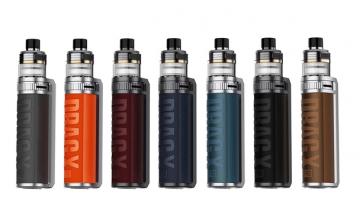
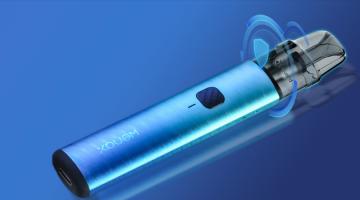
For adult smokers evaluating vaping today, the technology available is significantly more refined than first-generation systems. Many users now explore top pod kit vapes in the UK to find devices that provide smoother nicotine delivery and a more consistent vaping experience.
Why Early Vape Devices Struggled
First-generation devices — commonly known as “cigalikes” — were limited in both power and design. Their low-capacity lithium-ion batteries produced minimal wattage output, resulting in thin vapour and inconsistent nicotine absorption.
Nicotine delivery depends heavily on vapour density, heating efficiency, and inhalation style. Early coil designs used silica wicks and basic wire elements that heated unevenly. As battery voltage dropped, vapour production weakened, reducing nicotine delivery with each puff.
This inconsistency made it difficult for heavy smokers to replicate the nicotine spike they were accustomed to through combustion. As a result, many early adopters experienced cravings despite using high-strength e-liquid.
Modern vape devices were developed to address exactly these shortcomings.
The Science of Nicotine Delivery Without Combustion
Traditional cigarettes deliver nicotine rapidly because combustion releases nicotine into smoke particles that are easily absorbed in the lungs. However, combustion also produces tar, carbon monoxide, and thousands of harmful by-products.
Vaping eliminates combustion. Instead, a heating element vaporises e-liquid, which typically contains nicotine, propylene glycol (PG), vegetable glycerin (VG), and flavourings. Nicotine absorption occurs through the lungs and oral mucosa during inhalation.
For vaping to provide effective craving control, the device must produce consistent vapour at a temperature that allows stable aerosol formation without degrading e-liquid components.
This is where modern engineering has significantly improved performance.
The Breakthrough of Nicotine Salt Formulations
One of the most important developments in nicotine delivery has been the introduction of nicotine salts.
Traditional freebase nicotine can feel harsh at higher strengths. For smokers requiring 15–20mg nicotine, this throat irritation often reduced comfort and discouraged consistent use.
Nicotine salt e-liquid modifies the pH balance of nicotine, allowing smoother inhalation at higher concentrations. In the UK, nicotine strength is capped at 20mg/ml under the Tobacco Products Directive (TPD), and nicotine salts are specifically designed to operate efficiently within this limit.
Many vapers today choose modern nic salt ranges like Elux Legend nic salt vape liquids, which are formulated for smooth inhalation and reliable flavour performance in compact pod systems.
Because nicotine salts are absorbed efficiently at lower wattage, they pair well with pod systems designed for mouth-to-lung (MTL) vaping. This smoother throat hit combined with effective nicotine delivery has improved satisfaction for many adult smokers transitioning away from tobacco.
Mesh Coils and Improved Heating Efficiency
Heating technology has evolved considerably.
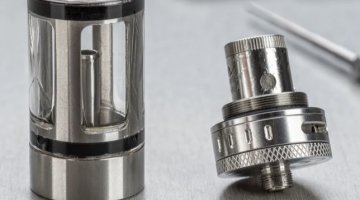
Modern vape devices frequently use mesh coils rather than traditional round wire coils. Mesh coils increase surface area, allowing more even heat distribution across the wick. Organic cotton wicking materials further enhance e-liquid absorption and reduce dry hits.
Even heating ensures consistent vapour density and stable nicotine aerosol production. This improves predictability in nicotine intake with each puff.
Some refillable pod systems also support replaceable cartridges such as Hayati 30K shisha pod replacements, which help maintain flavour consistency and vapour stability across extended device usage.
Coil resistance also plays a critical role. Higher-resistance coils (above 1.0 ohm) are designed for MTL devices and higher nicotine strengths. Lower-resistance sub-ohm coils support direct-to-lung (DTL) vaping with lower nicotine concentrations such as 3mg or 6mg freebase.
This alignment between coil resistance and nicotine strength improves efficiency and user comfort.
Regulated Chipsets and Stable Wattage Output
Modern vape starter kits and pod systems include regulated chipsets that maintain consistent wattage output. Unlike early unregulated devices, these systems prevent power fluctuations as battery charge decreases.
Consistent wattage ensures that coil temperature remains stable, which supports predictable vapour production and nicotine delivery.
Many devices also include:
- Short-circuit protection
- Overheat protection
- Low-voltage cutoff
- Automatic draw activation
These safety features improve reliability and overall user experience, contributing indirectly to more consistent nicotine absorption.
Airflow Engineering and Inhalation Control
Airflow design has become more precise in modern devices.
MTL airflow systems replicate the restricted draw of a cigarette. This controlled airflow increases vapour concentration per puff, supporting higher nicotine strengths without excessive vapour volume.
Adjustable airflow systems allow users to fine-tune draw resistance. This flexibility improves personalisation and ensures compatibility between nicotine strength, coil resistance, and inhalation style.
For smokers accustomed to traditional cigarette draw resistance, optimised MTL airflow significantly improves transition comfort.
Battery Advancements and Charging Technology
Battery technology has also improved substantially.
Modern lithium-ion batteries offer higher mAh capacity in compact pod systems, often ranging between 800mAh and 1200mAh. This allows all-day usage for many users without power decline.
USB-C charging has improved recharge speed and efficiency. More importantly, regulated battery output maintains stable power delivery throughout the charge cycle, preventing weakened vapour production toward the end of battery life.
Stable battery performance directly supports consistent nicotine delivery.
Standardisation Under UK Regulations
Regulatory oversight has contributed to product consistency.
Under TPD regulations, nicotine strength is capped at 20mg/ml, tank capacity is limited to 2ml, and e-liquids must be registered with the MHRA. These standards ensure consistent manufacturing quality and product safety.
While regulations do not directly change device engineering, they encourage standardisation and compliance, which supports consumer confidence and predictable nicotine concentration.
Final Thoughts
Nicotine delivery in modern vape devices has improved through a combination of chemical innovation, hardware engineering, battery development, and regulatory standardisation.
From nicotine salt formulations to mesh coil technology and regulated chipsets, each advancement has contributed to more consistent, efficient nicotine absorption.
For adult smokers evaluating vaping today, the technology available now is far more refined than early-generation devices.
More to Read:



Previous Posts: