Vape vs. Edibles: Understanding the Difference in Modern Cannabis Products
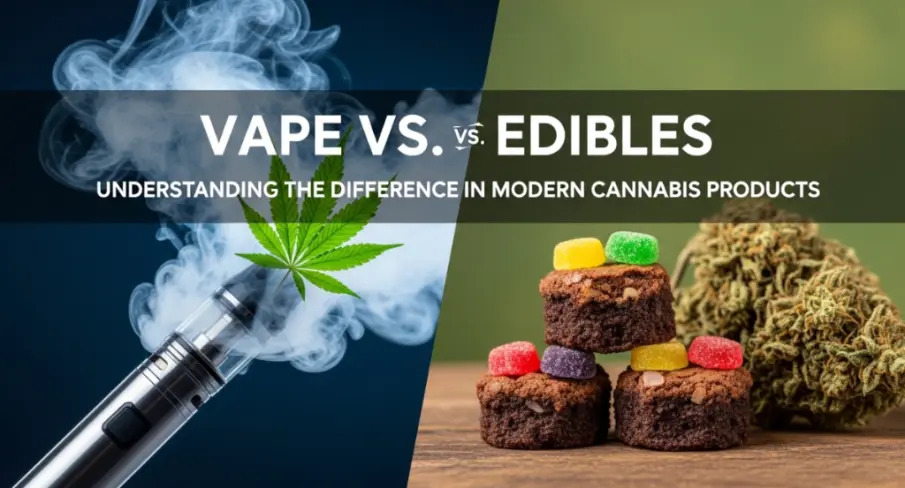
Cannabis consumption has evolved far beyond traditional smoking, with vaporizers and edibles emerging as two of the most popular modern alternatives. While both methods offer smoke-free experiences, they differ dramatically in how they work, how quickly effects appear, and what kind of experience they deliver.
Understanding these differences helps you choose the consumption method that best fits your lifestyle, preferences, and desired outcomes. Let's break down what sets these two popular options apart.
How Your Body Processes Each Method
The fundamental difference between vaping and edibles comes down to absorption pathways. When you vaporize cannabis, cannabinoids enter your bloodstream directly through lung tissue. This process happens rapidly, with effects typically appearing within minutes.
Edibles take a completely different route. After swallowing, they travel through your digestive system to the liver, where cannabinoids undergo metabolic conversion before entering the bloodstream. This journey takes considerably longer—anywhere from 30 minutes to two hours depending on various factors like metabolism, recent food intake, and individual body chemistry.
This metabolic process in the liver transforms delta-9 THC into 11-hydroxy-THC, a compound that crosses the blood-brain barrier more efficiently and often produces stronger, more body-focused effects than inhaled cannabinoids.
Onset Time and Duration
Vaporizers offer near-immediate feedback. Within 5-10 minutes of inhaling, you'll know how that particular dose affects you. This quick onset allows for easy dose titration—you can take a small amount, wait a few minutes, and decide whether you want more.
Peak effects from vaping typically occur within 30 minutes and gradually diminish over 2-4 hours. This relatively short duration works well for people seeking effects for specific activities or time windows.
Edibles require patience. That first hour of waiting can feel endless, especially for newcomers unfamiliar with the delayed onset. Many dosing mistakes happen when impatient users consume more before the initial dose takes effect, leading to uncomfortably intense experiences later.
Once edibles kick in, they last significantly longer—typically 4-8 hours, with some people reporting lingering effects even longer. This extended duration appeals to those seeking sustained effects without frequent re-dosing.
Dosing Precision and Control
Vaporizers excel at precise dose control. You can take one or two small inhalations, wait a few minutes, assess the effects, and adjust accordingly. This real-time feedback loop makes it nearly impossible to consume too much, as you can simply stop when you've reached your desired state.
The rapid onset also means you can easily maintain a consistent level throughout an evening by taking small additional doses as needed.
Edibles present dosing challenges, especially for beginners. Once you've swallowed an edible, there's no taking it back. If you've consumed too much, you're committed to riding out the experience, which can last many hours.
Modern manufactured edibles like Delta 8 Gummies have improved consistency significantly, with each piece containing precisely measured cannabinoid amounts. This standardization helps users dose accurately, but the delayed onset still requires patience and conservative initial dosing.
Intensity and Effects Profile
The liver's conversion of cannabinoids when processing edibles creates a qualitatively different experience than vaping. Many users describe edible effects as more full-bodied, sedating, and physically pronounced compared to the more cerebral, clear-headed effects of vaporization.
This difference isn't just subjective—the chemical explanation supports these observations. The 11-hydroxy-THC produced during edible metabolism has distinct properties compared to delta-9 THC absorbed through inhalation.
Vaping tends to produce effects that feel lighter and more manageable. The shorter duration and gradual onset give users more control over their experience's intensity and length.
Convenience and Discretion
Edibles win decisively for discretion and convenience. They look like regular food products, produce no vapor or odor, and can be consumed anywhere without drawing attention. Popping a piece of candy is far more subtle than using any vaporizer.
Edibles also require no equipment, batteries, charging, or maintenance. They're ready to use straight from the package and involve zero learning curve.
Vaporizers require carrying a device, ensuring it's charged, and finding appropriate places to use it. While vaping produces less odor than smoking, it's not completely scent-free. The visible vapor also makes it less discreet than consuming an edible.
However, vaporizers offer flexibility that edibles don't—you can use them throughout the day in small doses rather than committing to a single larger dose that lasts for hours.
Respiratory Considerations
One major advantage edibles hold over any inhalation method involves respiratory health. Eating cannabis introduces zero substances into your lungs, eliminating concerns about respiratory irritation entirely.
While vaporization is gentler on lungs than smoking because it doesn't involve combustion, it still requires inhaling substances into respiratory tissue. For people with asthma, lung sensitivity, or other respiratory concerns, edibles provide a completely lung-friendly alternative.
Cost and Efficiency
Vaporizers typically require upfront investment in hardware, though quality devices last years with proper care. Cartridges and concentrates have ongoing costs, but vaporization is generally efficient, extracting cannabinoids effectively with minimal waste.
Edibles like Delta 8 Gummies involve no equipment costs, but the longer duration and stronger effects from liver metabolism mean you might use less product overall compared to re-dosing throughout an evening with a vaporizer.
The cost-effectiveness depends heavily on individual consumption patterns, tolerance levels, and how you prefer to structure your cannabis experiences.
Flavor and Experience
Vaporization showcases the terpene profiles in cannabis concentrates, delivering complex flavors that many enthusiasts appreciate. Quality vaporizers preserve delicate aromatic compounds that contribute significantly to the overall experience.
Edibles prioritize taste in a different way—focusing on creating enjoyable food products where cannabis flavor is often minimized or masked entirely. Modern edibles taste like regular candy, chocolate, or baked goods, making them appealing to people who dislike cannabis flavor.
Choosing What Works for You
Neither method is objectively superior—they serve different needs and preferences. Vaping suits people wanting quick onset, precise dose control, shorter duration, and flavor exploration. It's ideal for social situations, specific activities, or when you want effects that won't last all evening.
Edibles work better for those seeking longer-lasting effects, complete discretion, respiratory-friendly options, and more intense body-focused experiences. They're perfect for extended activities, sleep support, or situations where re-dosing isn't practical.
Many experienced users keep both options available, choosing based on circumstance, desired duration, and where they'll be consuming. Understanding how each method works empowers you to make informed decisions that enhance your cannabis experience while avoiding common pitfalls like improper dosing or choosing the wrong consumption method for your situation.
More to Read:


Previous Posts: